-
Brand
-
Formulation Type
-
Packaging
-280.00 ฿
/Jar
 Ask for case price / Is it in stock? → Chat LINE
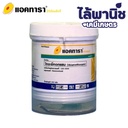
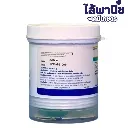
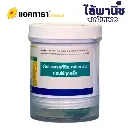
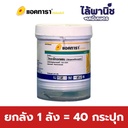
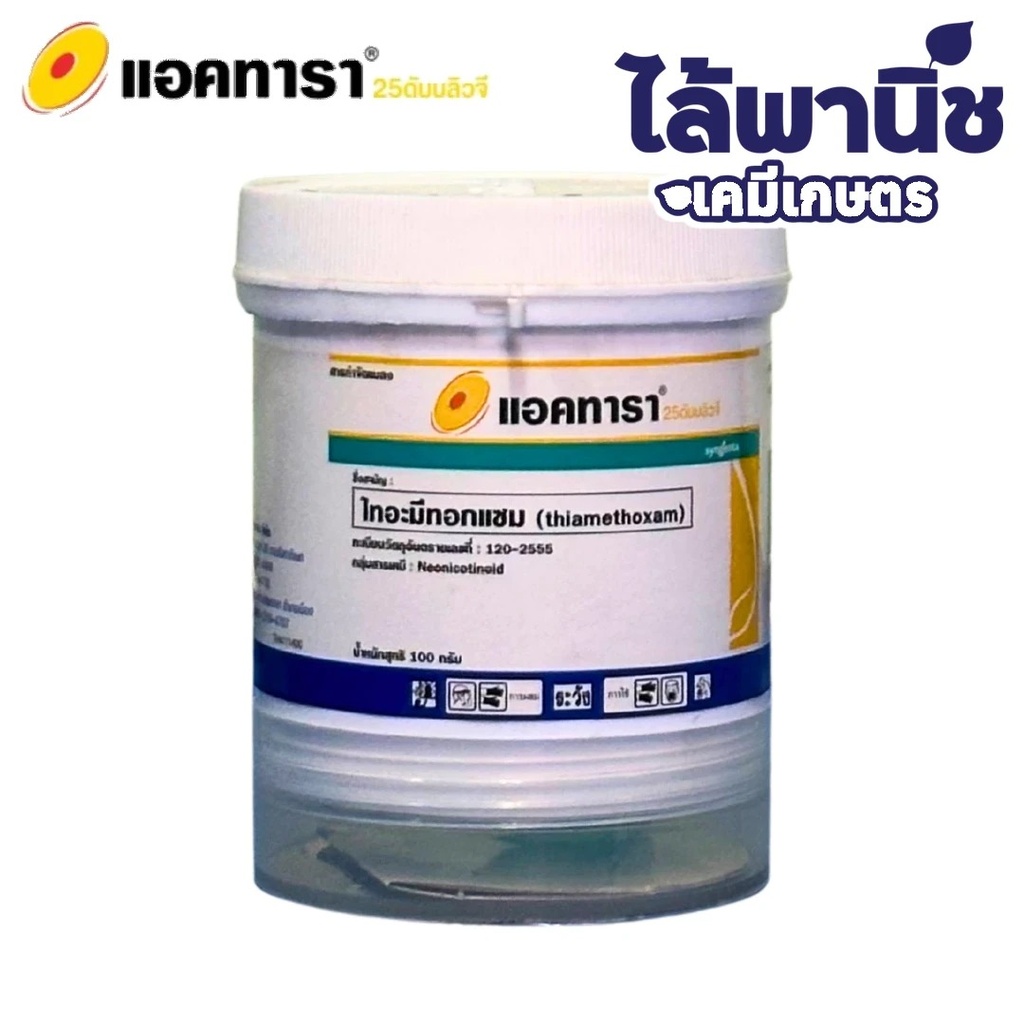
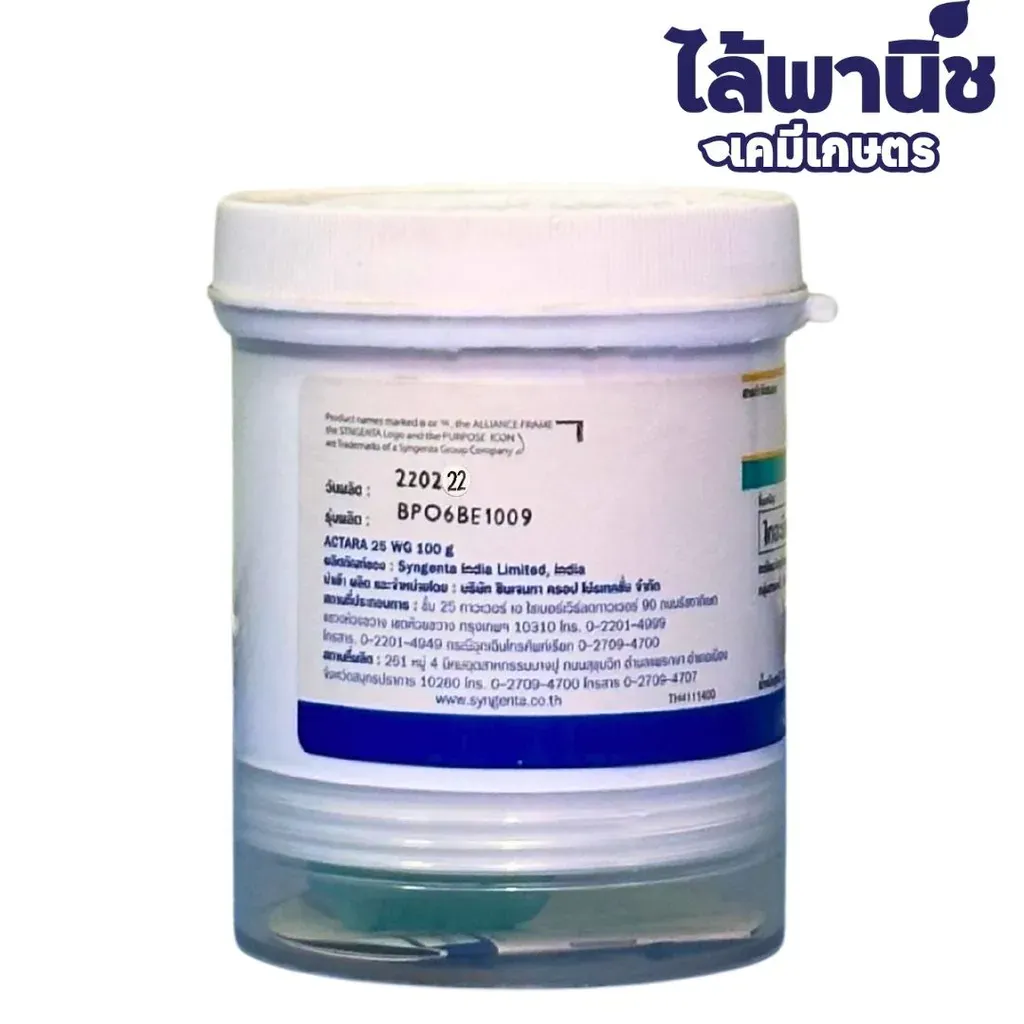
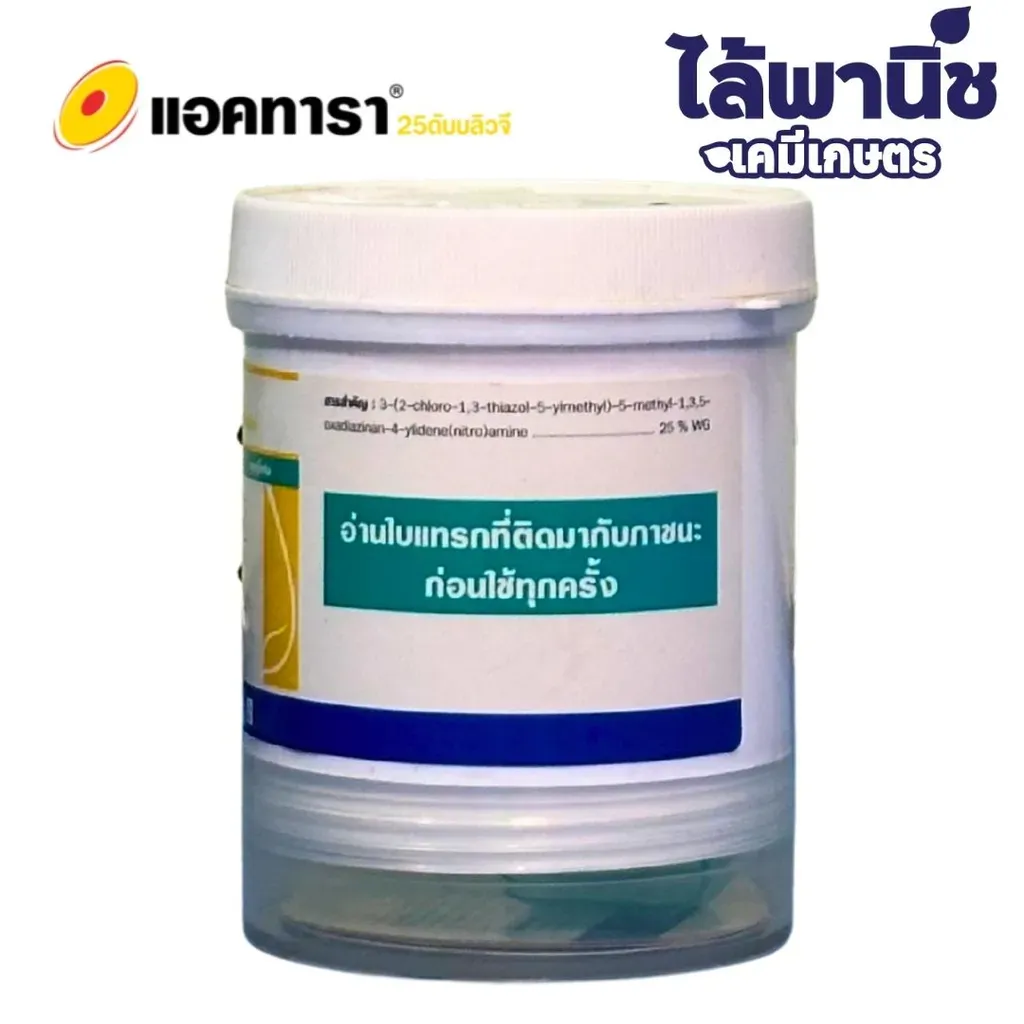
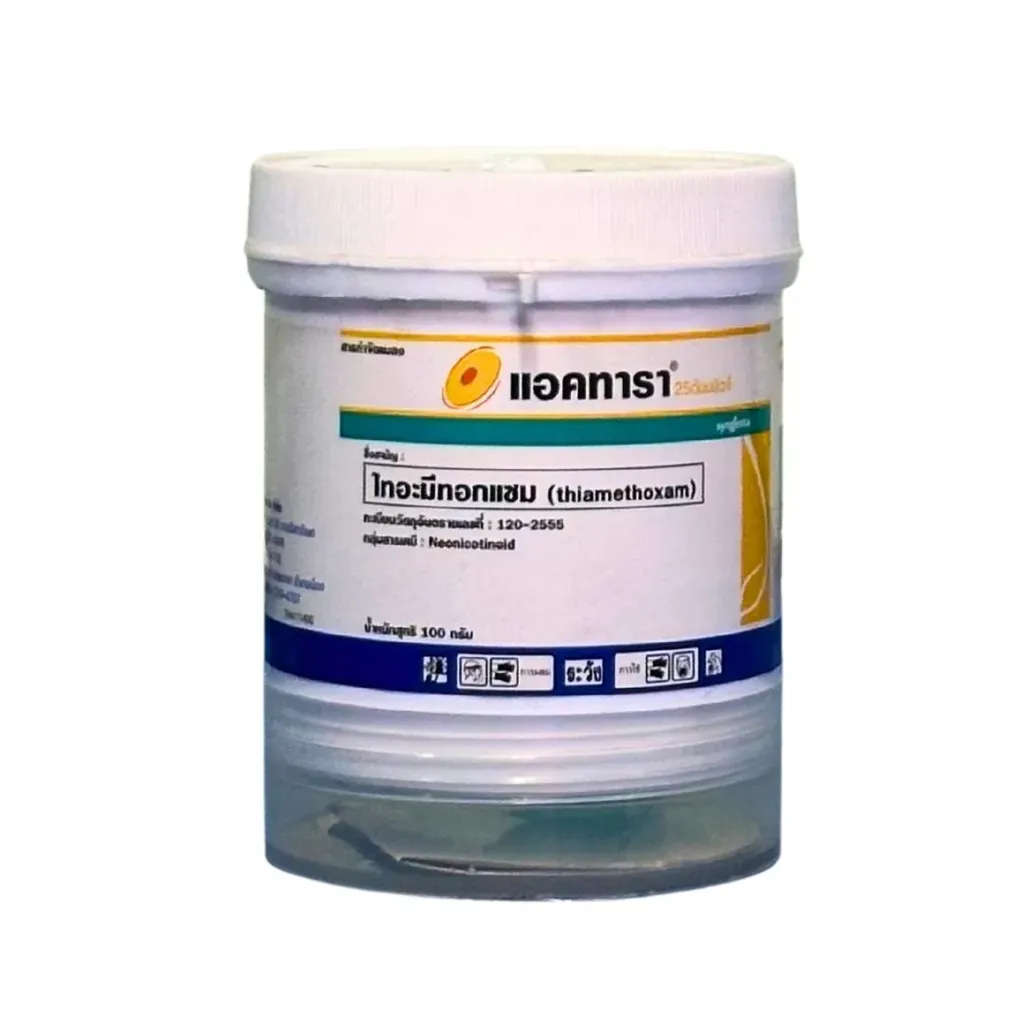
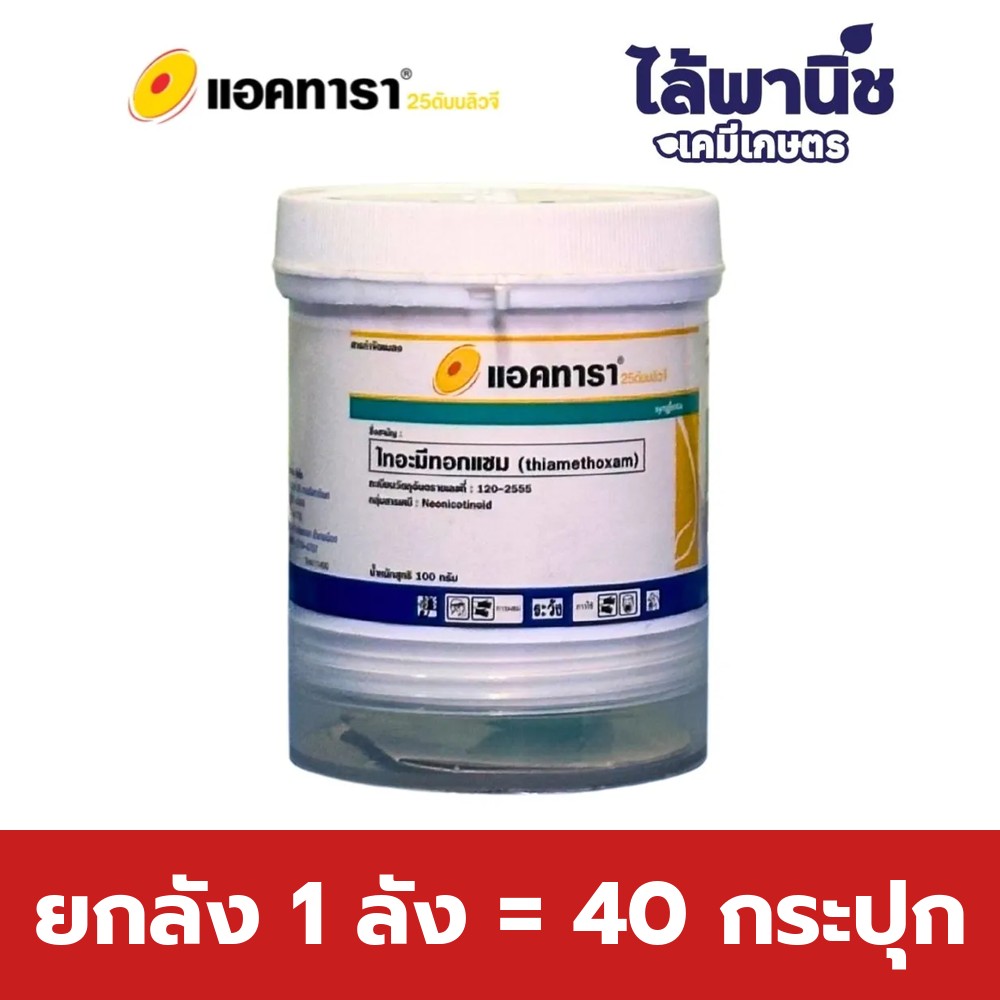
Actara 25WG — Thiamethoxam, original formula from Syngenta, high quality with both contact and systemic action
Resistance Management: Thiamethoxam — IRAC Group 4A · Rotate to a different chemical group for repeat applications.
Syngenta's Actara 25WG is the original thiamethoxam brand, manufactured to high multinational quality standards. It acts through both systemic and contact mechanisms, effectively controlling brown planthoppers, thrips, and whiteflies. Suitable for foliar spray, soil drenching, and drip irrigation. Ideal for high-value crops where reliability is essential.
Thiamethoxam 30SC — Systemic neonicotinoid for long-lasting sucking pest control
Permanently binds to nicotinic acetylcholine receptors in the insect nervous system, causing paralysis and death. Absorbed efficiently through roots and leaves, and translocated throughout the plant with a long-lasting effect of 2–4 weeks. The SC formulation is easy to mix and store.
Target insects
- Planthoppers: Brown planthopper (BPH), White-backed planthopper
- Aphids: In all types of vegetables, fruit trees, and field crops
- Whiteflies: In vegetables and tomatoes
- Mealybugs: In cassava and fruit trees
- Weevils and soil insects: Used for seed treatment or soil drenching
Registered Crops
Rice | Durian | Cassava | Okra | Corn | Sesame | Mung bean | Soybean | Sunflower | Sugar apple | Siam tulip | Culantro | Citrus crops | Mango | Papaya | Sweet potato | Longkong/Wollongong | Salak | Pineapple | Chrysanthemum | Dragon fruit | Vegetables | Fruit trees | Cotton | General field crops
Mixing Rates and Usage
| Crop | Substance rate per 20 L of water (1 tank) | Water used per rai | Apply to |
|---|---|---|---|
| Rice | 2 g | — | Thrips — Spray thoroughly when 1-3 adults per plant are observed at the seedling stage in rice. |
| Durian | 2 g | — | Psyllids — Spray upon the appearance of an outbreak. |
| Cassava | 2 g | — | Mealybugs — Spray upon the appearance of an outbreak. |
| Cassava | 4 g | — | Mealybugs — Drench the base of the plant at 50 ml per plant. |
| Okra | 5 g | 120 L/rai | |
| Corn | 10 g | — | |
| Sesame | 2 g | 160 L/rai | |
| Mung bean | 2 g | — | |
| Soybean | 2 g | — | |
| Sunflower | 2 g | 160 L/rai | |
| Sugar apple | 2 g | 80 L/rai | |
| Siam tulip | 2–4 g | 120 L/rai | Depending on the pest |
| Culantro | 6 g | 80 L/rai | |
| Citrus crops | 5 g | 80 L/rai | |
| Mango | 2.5–25 g | — | Depending on the pest |
| Papaya | 4 g | — | |
| Sweet potato | 2 g | 160 L/rai | |
| Longkong/Wollongong | 4 g | — | |
| Salak | 4 g | 80 L/rai | |
| Pineapple | 2–4 g | 80 L/rai | Depending on the pest |
| Chrysanthemum | 3 g | 120 L/rai | |
| Dragon fruit | 4 g | 200 L/rai |
Read the rates correctly: The numbers in the table are the amount of substance per 1 tank (20 L) of water, not per rai — spraying 1 rai uses multiple tanks of water.
1 Packaging Unit (100 g) Coverage Estimate
Rice at 2 g per 20 L water (1 tank): 50 tanks
Durian at 2 g per 20 L water (1 tank): 50 tanks
Cassava (Mealybug) at 2 g per 20 L water (1 tank): 50 tanks
Cassava (Mealybug) at 4 g per 20 L water (1 tank): 25 tanks
Calculated directly from the rates in the table above — does not account for repeat applications or tank residue. Please purchase extra as a buffer.
For Best Results
- Systemic insecticide — Absorbed into the plant and distributed throughout, ensuring thorough coverage even with a general spray (no need to target every single spot). Rainfast once dry, with long-lasting residual action. · Highly effective against sucking pests and those hiding under leaves.
- Best suited for: Spraying at the initial pest appearance or soil drenching at planting for long-lasting protection.
- Not recommended: Spraying during full bloom — highly toxic to bees.
Precautions
- Highly toxic to bees — Do not spray during blooming or near beehives.
- Rotate with non-neonicotinoid products to prevent resistance.
- Wear gloves and safety glasses when mixing and spraying
- Do not discharge wastewater into water sources — Toxic to aquatic animals.