



-
Brand
-
Formulation Type
-
Packaging
-240.00 ฿
/Bag
 Ask for case price / Is it in stock? → Chat LINE
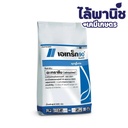
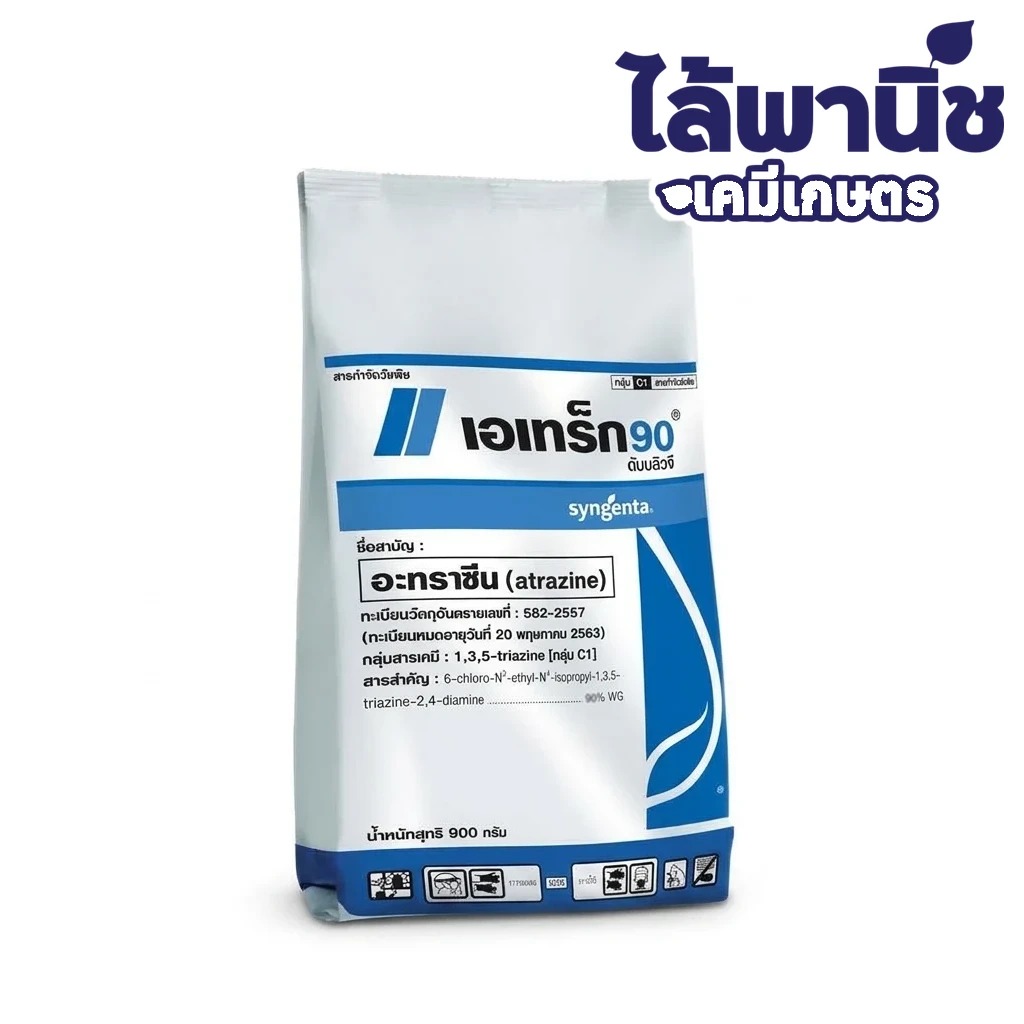
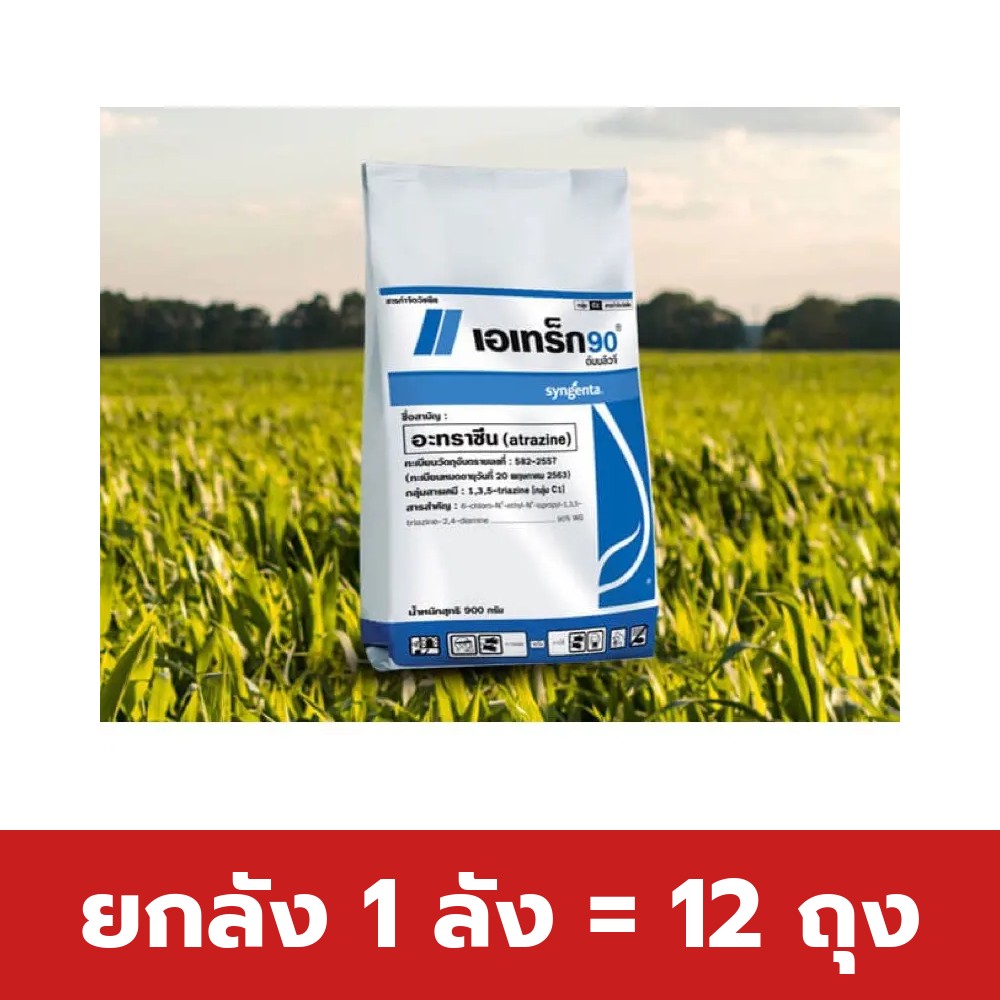
Triazine group herbicide for corn, sugarcane, and pineapple fields
Resistance Management: Atrazine — HRAC Group C1 · Should be rotated with substances from different groups in cycles, avoiding continuous use of the same group to slow down resistance development · Switch to a different group when re-spraying
Acts by absorption through roots and leaves, inhibiting photosynthesis in weeds, causing them to stop growing and die within 7–14 days. Cultivated plants like corn and sugarcane have natural enzymes to break down this substance, making it safe for crops.
Applicable crops
Corn | Sugarcane | Pineapple | Cassava | Sorghum
Prohibited crops
Rice | All vegetables | Fruit trees — These plants are sensitive to Triazine, which can cause yellowing, burning, and damage to leaves.
Weeds Controlled
- Grasses: goosegrass, junglerice, sourgrass, pinkflower knotweed
- Broadleaves: water morning glory, Siam weed, caltrop
- Sedges: purple nutsedge
Mixing Rates and Usage
| Crop | Substance (grams) | Water (liters) | Area |
|---|---|---|---|
| Corn | 300–400 | 60–80 | 1 rai |
| Sugarcane / Pineapple | 480–640 | 60–80 | 1 rai |
Spray evenly throughout. Residual effect in soil lasts 3–6 months.
How many rai can 1 box (900 grams) cover?
Corn: 1.8–2.7 rai | Sugarcane / Pineapple: 1.4–1.8 rai
For Best Results
- Best: Spray immediately after planting, while soil is moist, before weeds emerge
- Do not spray: After corn has emerged, as it will cause corn leaves to yellow, burn, and be damaged
Precautions
- Wear gloves, a mask, and long-sleeved shirt while mixing and spraying
- Do not spray near natural water sources, canals, fish ponds
- Keep out of reach of children in a dry and cool place
- If contact with skin or eyes, wash immediately with clean water