



-
Brand
-
Formulation Type
-
Packaging
-180.00 ฿
/Bottle
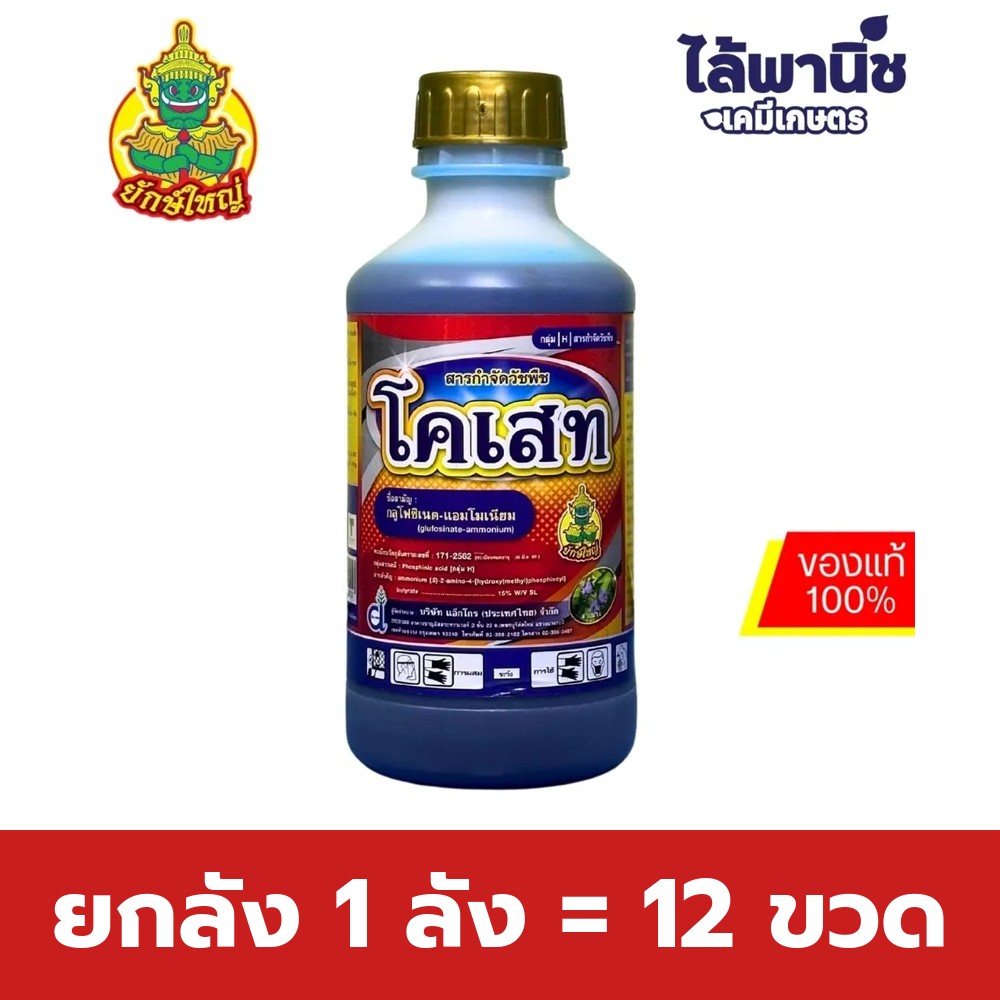
 Ask for case price / Is it in stock? → Chat LINE
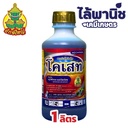
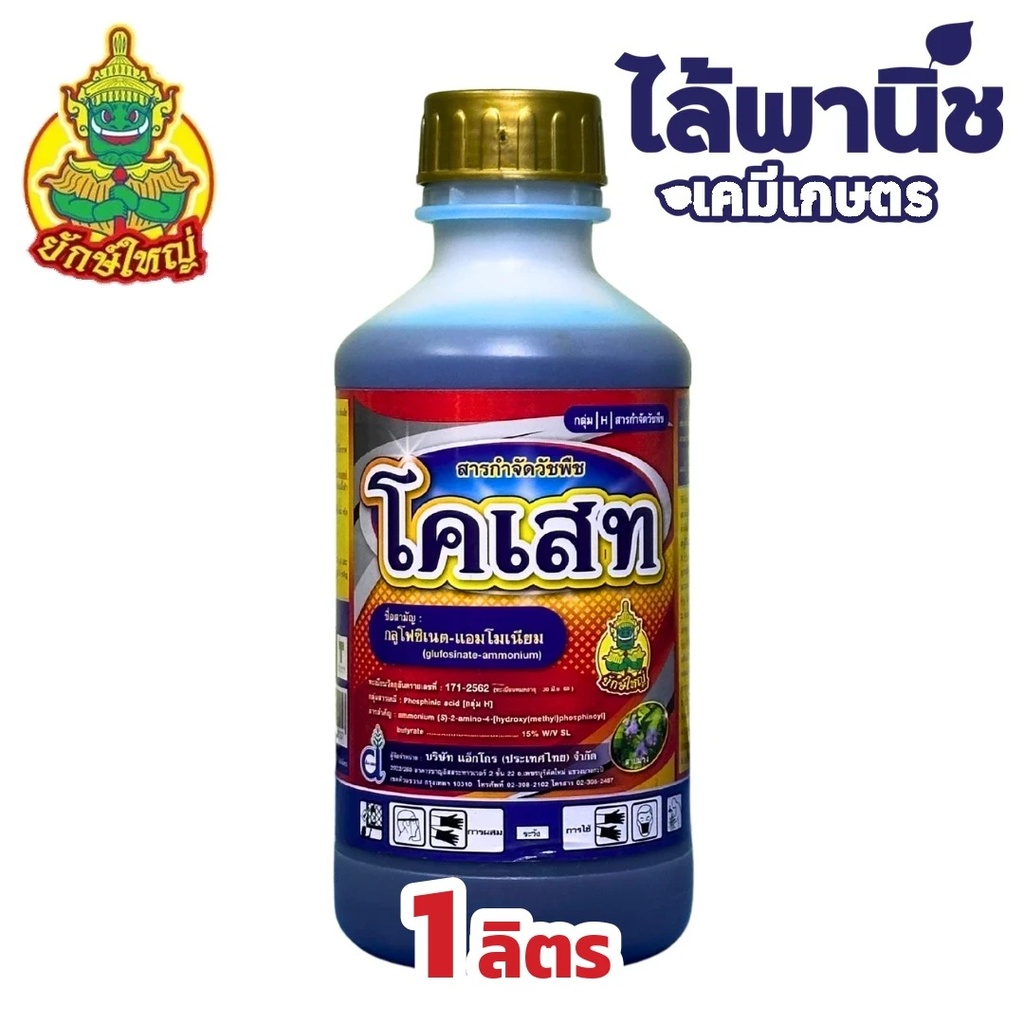
Glufosinate-ammonium — Fast-acting, non-selective contact herbicide, safer than paraquat
Resistance Management: Glufosinate-ammonium — HRAC Group H · Should be rotated with different groups of substances in cycles, do not use the same group repeatedly to slow down resistance · Switch to a different group when reapplying.
Acts by inhibiting the enzyme glutamine synthetase, causing ammonia to accumulate to toxic levels in plant cells. Absorbed through leaves, takes effect within 2–5 days, not translocated to roots (contact herbicide). Therefore, perennial weeds may regrow. Degrades quickly in soil, safer than paraquat.
Weeds Controlled
- All types of narrow-leaf weeds: Cogongrass, Bermudagrass, Goosegrass, Barnyardgrass
- Broadleaf: Various weeds, small shrubs
- Note: Fast control but does not reach the roots — perennial weeds may regrow.
Eligible crops (pre-planting/inter-row weed control)
Rubber | Oil palm | Fruit trees | Orchards | Vacant land | Orchard ditches
Not Recommended for Crops
- This substance is non-selective — do not spray on main crops. Be very careful of drift.
Mixing Rates and Usage
| Target | Substance Rate | Water (liters) | Spray per rai |
|---|---|---|---|
| General weeds in the garden | 100–150 ml | 20 | 2–3 tanks |
| Cogon grass / mature weeds | 150–200 ml | 20 | 3–4 tanks |
For Best Results
- Best: Weeds are actively growing, not dry. Spray during morning–evening.
- Not Recommended: Spraying during rain or strong winds.
Precautions
- Wear gloves, safety glasses, and a mask while mixing and spraying.
- Beware of drift onto crops — do not spray during strong winds.
- Degrades quickly in soil — safer than paraquat but still requires caution.
- Do not release the substance into public water sources.