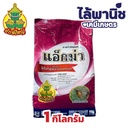

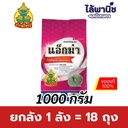

-
Brand
-
Formulation Type
-
Packaging
-750.00 ฿
/Bag
 Ask for case price / Is it in stock? → Chat LINE
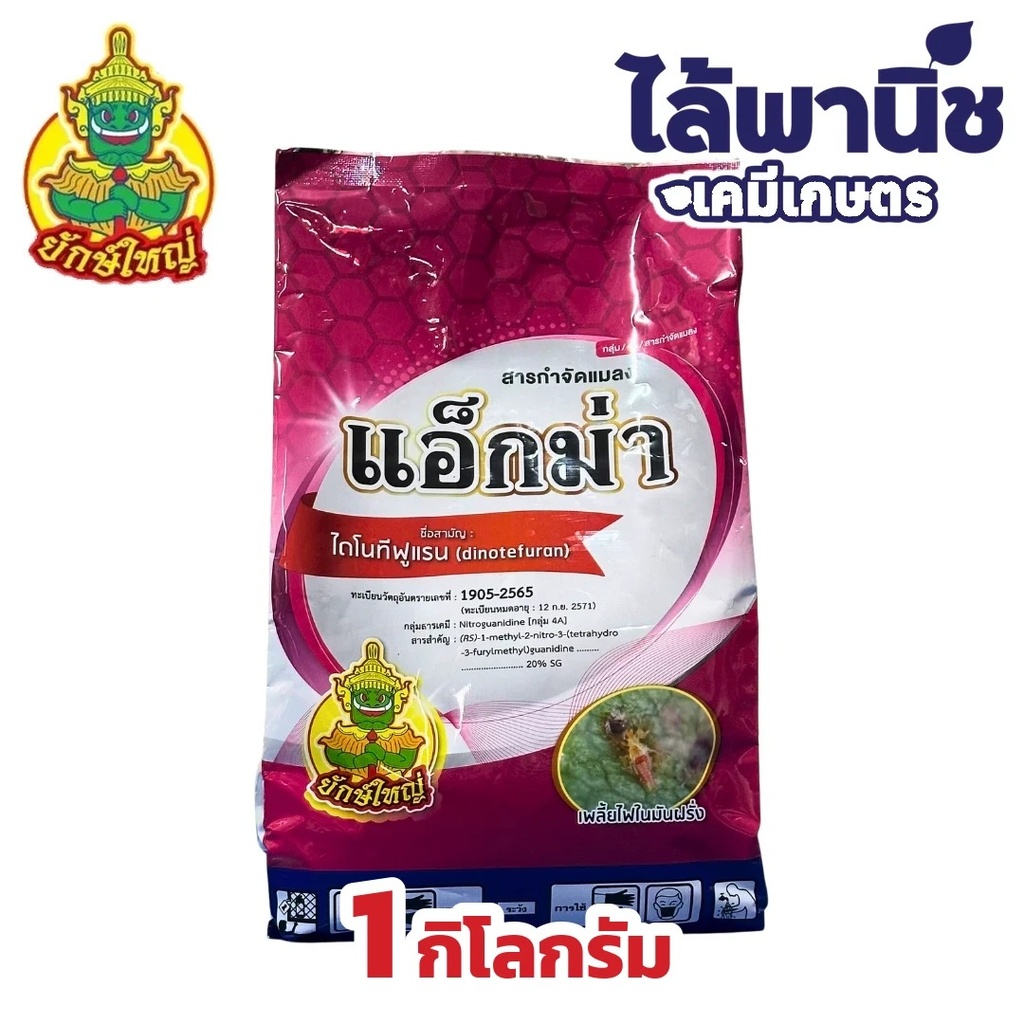
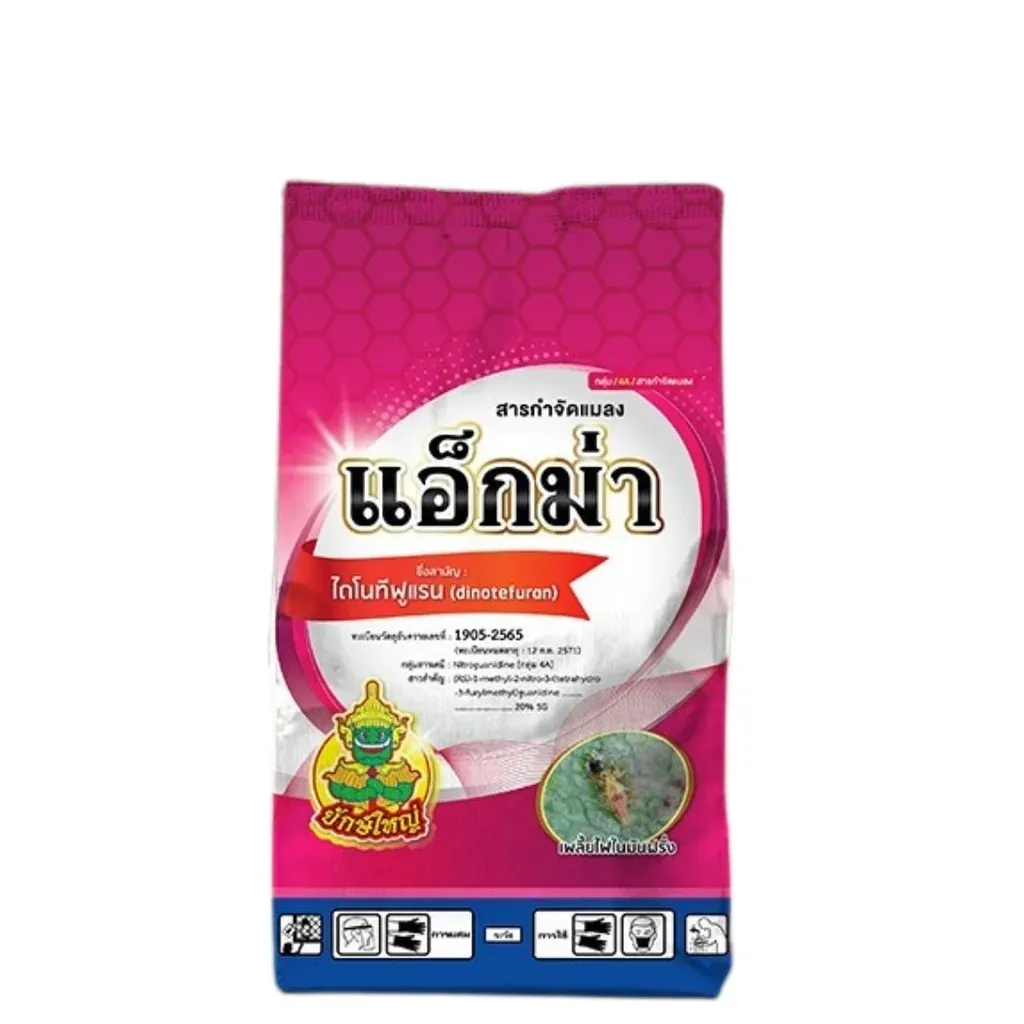
Dinotefuran — Neonicotinoid sucking pest insecticide with systemic action
Resistance management: Dinotefuran — IRAC Group 4A · Rotate to a different chemical group when re-spraying.
Acts by inhibiting the Nicotinic Acetylcholine Receptor in the central nervous system of insects, causing continuous nerve stimulation and death. It is a systemic product absorbed through leaves and roots, moving throughout the entire plant. It acts via both contact and ingestion, showing high efficacy against underside-dwelling sucking pests, planthoppers, and mealybugs.
Controllable Pests
Thrips | Brown planthopper (BPH) | White-backed planthopper | Green leafhopper | Aphid | Whitefly | Mealybug | Cockroach | Nectar-sucking insects
Eligible Crops
Potato | Rice | All vegetables | Fruit trees | Field crops | Ornamental plants
Mixing Rates and Usage
| Crop | Substance rate per 20 L of water (1 tank) | Water used per rai | Apply to |
|---|---|---|---|
| Potato | 10 g | — | Thrips |
Spray thoroughly when thrips infestation is found in potatoes.
Read the rates correctly: The numbers in the table are the amount of substance per 1 tank (20 L) of water, not per rai — spraying 1 rai uses multiple tanks of water.
What approximately is 1 container unit (1 kg) sufficient for?
Potato at 10 g per 20 L of water (1 tank): 100 tanks
Calculated directly from the rates in the table above — does not account for repeated spraying or residual solution left in the tank; please purchase extra as a precaution.
For Best Results
- Systemic insecticide — Absorbed into the plant and distributed throughout, ensuring thorough coverage even with a general spray (no need to target every single spot). Rainfast once dry, with long-lasting residual action. · Highly effective against sucking pests and those hiding under leaves.
- Best suited for: Spraying in the morning or evening when insect infestations begin to appear.
- Not recommended: Spraying during flowering — toxic to bees.
Precautions
- Toxic to bees and pollinators — do not spray during flowering.
- Rotate with other groups (e.g., Group 28) to prevent insect resistance.
- Wear gloves, a mask while mixing and spraying
- Store in a cool, dry place, away from children and pets.