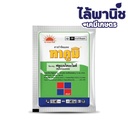
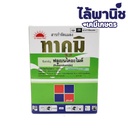
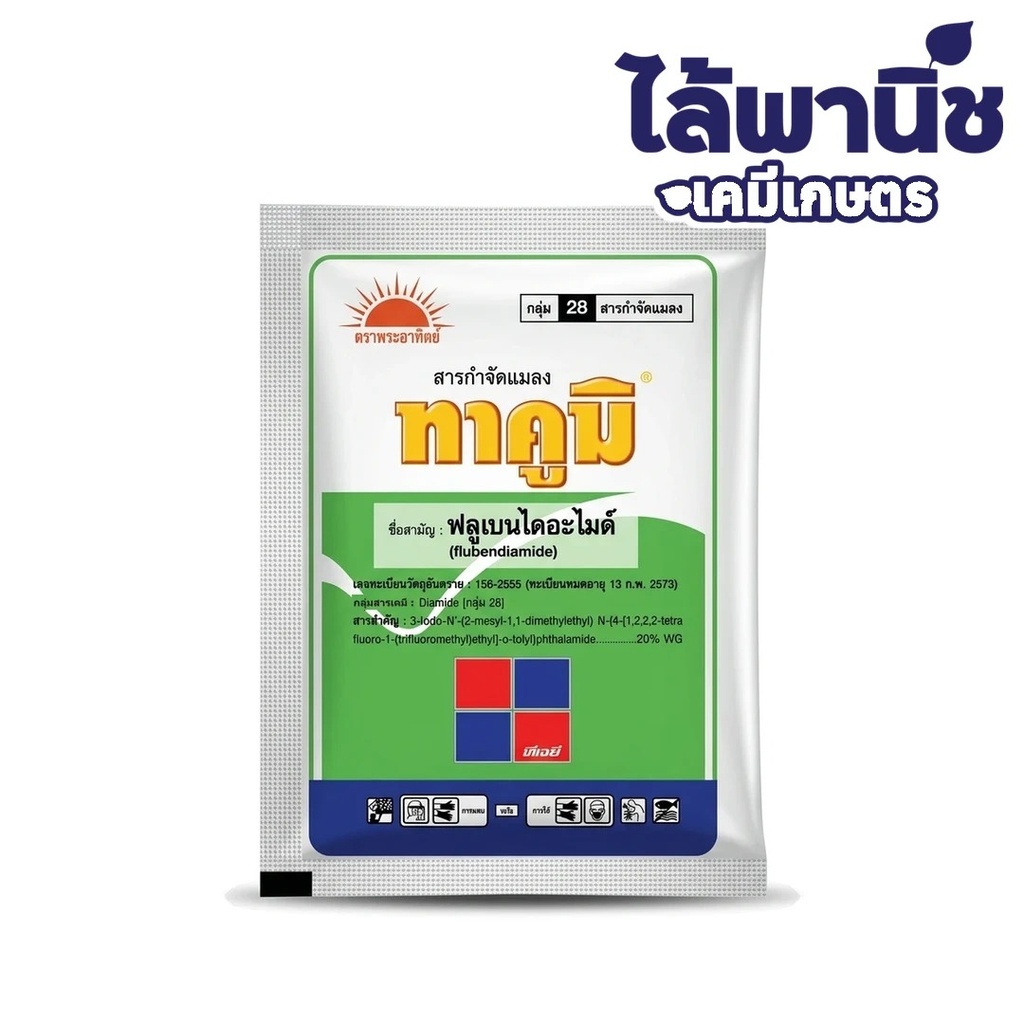
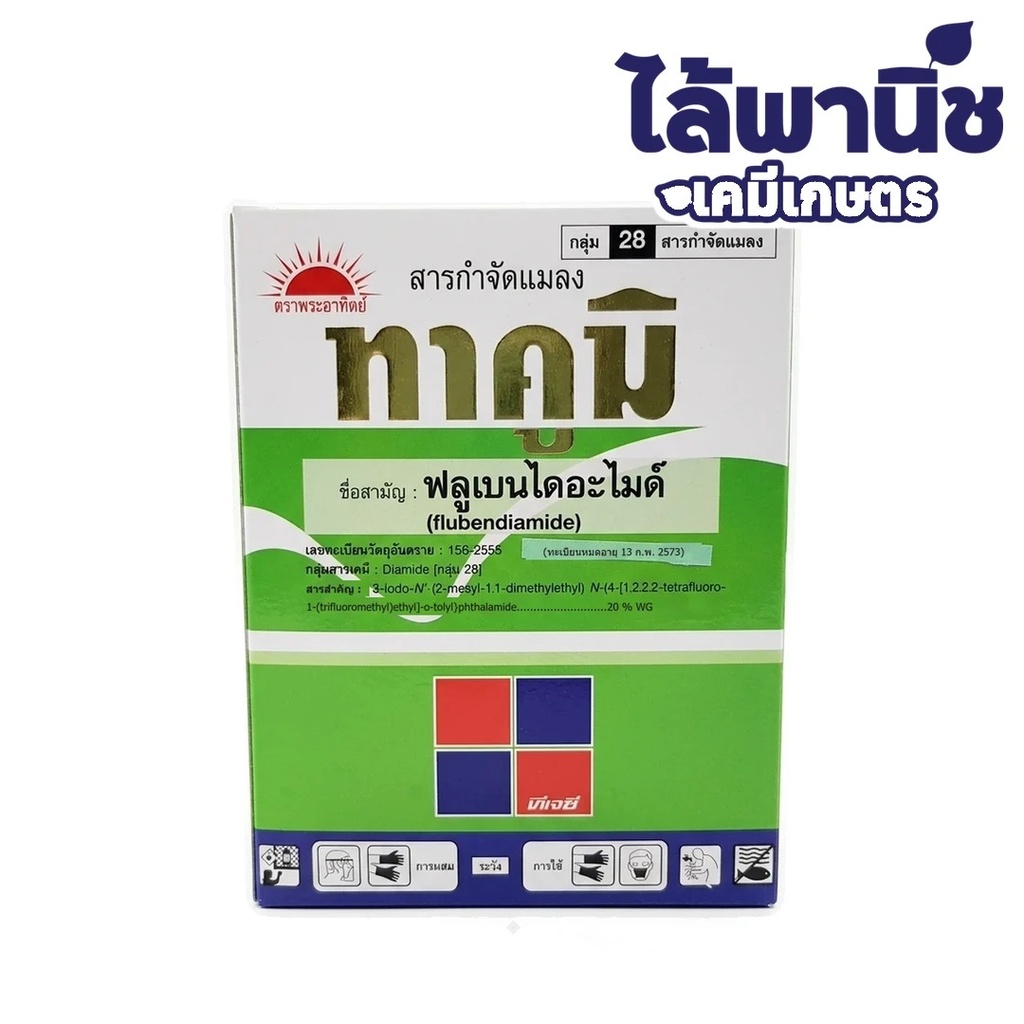
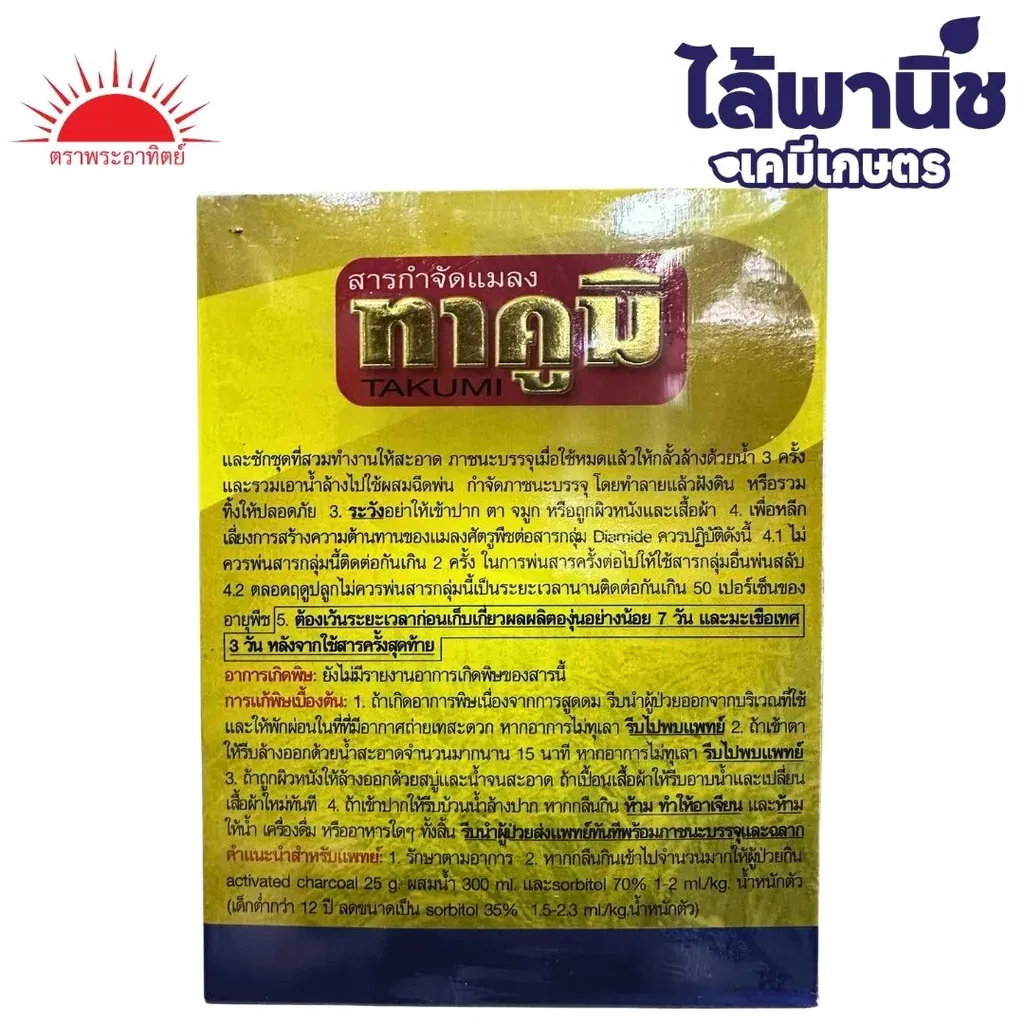
-
Brand
-
Formulation Type
-
Packaging
-70.00 ฿
/Sachet
 Ask for case price / Is it in stock? → Chat LINE
Insecticide — Fast-acting caterpillar control with long-lasting action and excellent management of resistant caterpillars.
Resistance management: Flubendiamide — IRAC Group 28 · Rotate with other chemical groups when making repeated applications.
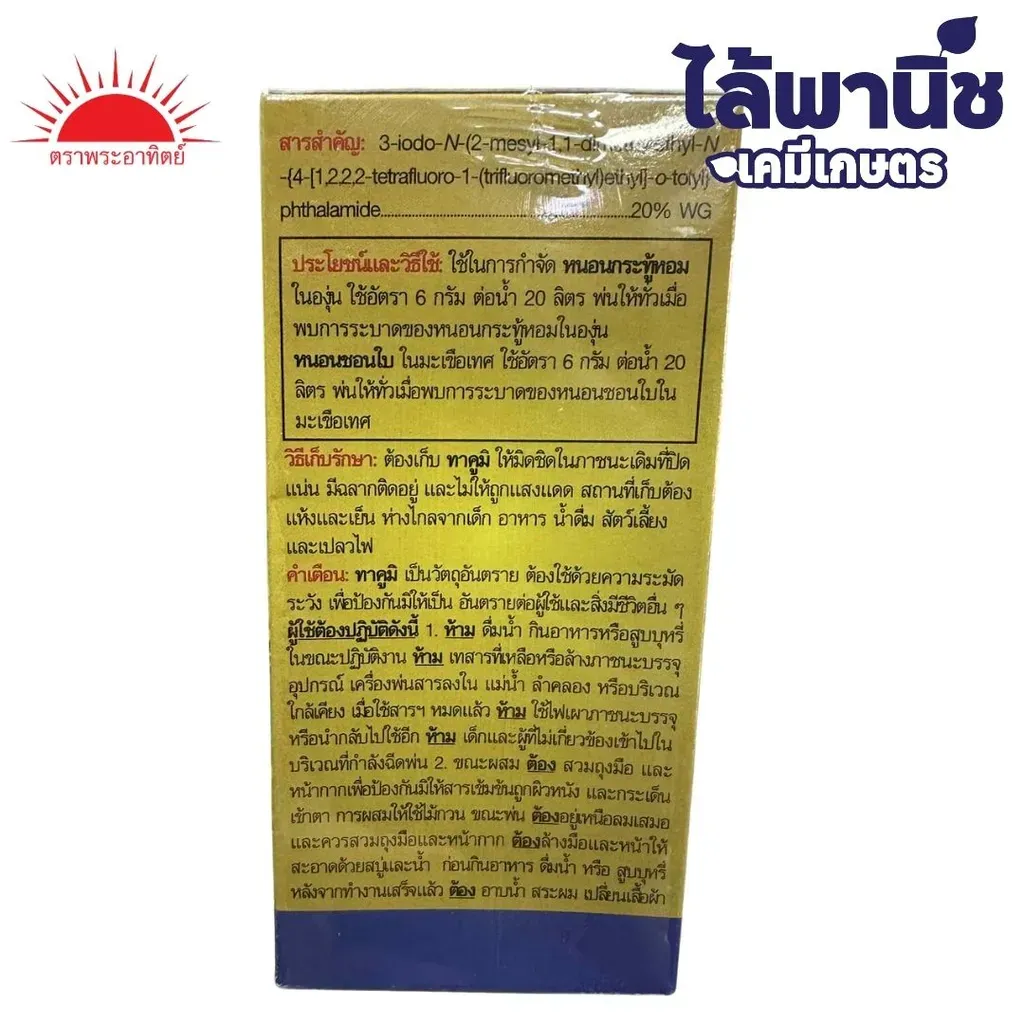
Takumi has the common name flubendiamide. It is a Group 28 (Diamide) insecticide that works by stimulating ryanodine receptors in the muscle cells of caterpillars, causing continuous calcium ion release. This results in the caterpillar's muscles contracting and locking up, causing the pest to become paralyzed, unable to eat plants and move, until it eventually dies.
Suitable crops
Grapes | Tomatoes | Okra | Orchids | Corn | Yardlong beans, green peas | Oil palm | Cruciferous vegetables | Coconuts | Asparagus | Shallots, spring onions | Rice | Tobacco | Oranges | Jasmine | Roses | Shallots | Spring onions | Onions | Garlic
Crops not to use on
No special prohibited crop information from official data. Strictly follow the instructions on the product label for safety and efficiency
Target insects
- Caterpillars: Fall armyworm | Coconut black-headed caterpillar | Slug caterpillar | Beet armyworm | Common cutworm | Rice leaf folder | Rice stem borer | Leafminer | Diamondback moth | Cotton bollworm | Corn stem borer | Flower borer | Rice leaffolder
Mixing Rates and Usage
| Crop | Substance rate per 20 L of water (1 tank) | Water used per rai | Apply to |
|---|---|---|---|
| Grape | 6 g | — | Common cutworm |
| Tomato | 6 g | — | Leafminer |
| Okra | 8 g | 120 L/rai | |
| Orchids | 8 g | 120 L/rai | |
| Corn | 10 g | — | |
| Long bean, green pea | 5 g | 120 L/rai | |
| Oil palm | 5 g | — | |
| Brassicas | 6 g | 120 L/rai | |
| Coconut | 5 g | — | |
| Asparagus | 10 g | 120 L/rai | |
| Shallot, Spring onion | 6 g | 120 L/rai |
Spray thoroughly when an infestation of beet armyworm is found in grapes
Read the rates correctly: The numbers in the table are the amount of substance per 1 tank (20 L) of water, not per rai — spraying 1 rai uses multiple tanks of water.
1 packaging unit (5 g) can be used for approximately how much
All crops in the table above at 6 g per 20 L of water (1 tank): 0.8 tank
Calculated directly from the rates in the table above — does not account for repeated spraying and leftover solution in the tank; you should buy extra
Spray thoroughly when pest outbreaks are found. Mix the chemicals according to the recommended rate and spray during the appropriate period according to the product label instructions.
For Best Results
- Contact insecticide — Acts upon direct contact with the insect; must be sprayed thoroughly on the insect body / entire canopy · Fast-acting, but can be washed off by rain. If it rains after spraying, a re-spray is necessary
- Best: When pest outbreaks are found, such as finding egg masses or when caterpillars begin attacking plants in the early stage.
- Prohibited: Avoid spraying during full bloom to ensure safety for pollinators, and strictly read the Pre-Harvest Interval instructions on the product label. If parasitic wasps are released, spray chemicals 2 weeks before releasing the wasps.
Precautions
- Takumi is a hazardous toxic substance and must be used with caution to prevent harm to the user and other living things.
- Personal protective equipment such as rubber gloves, masks, and chemical safety goggles should be worn while mixing and spraying chemicals.
- Do not ingest. Keep out of reach of children and pets, and away from food and drinking water sources.
- Store in a dry, cool, secure place in the original container tightly closed with the label attached, away from sunlight and open flames.
- Be careful not to let the substance contaminate public water sources or natural water sources.
- After every use, wash your hands and body thoroughly with soap and water.
Read the rates correctly by unit
The rates above are the amount of substance per 1 tank (20 L) of water, which is how it's written on the label. Actual spraying for 1 rai uses approximately 60–80 L (3–4 tanks) of water. Therefore, the amount per rai must be multiplied by the number of tanks used. — Always refer to the container label.