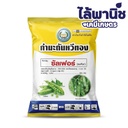

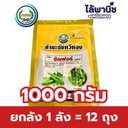
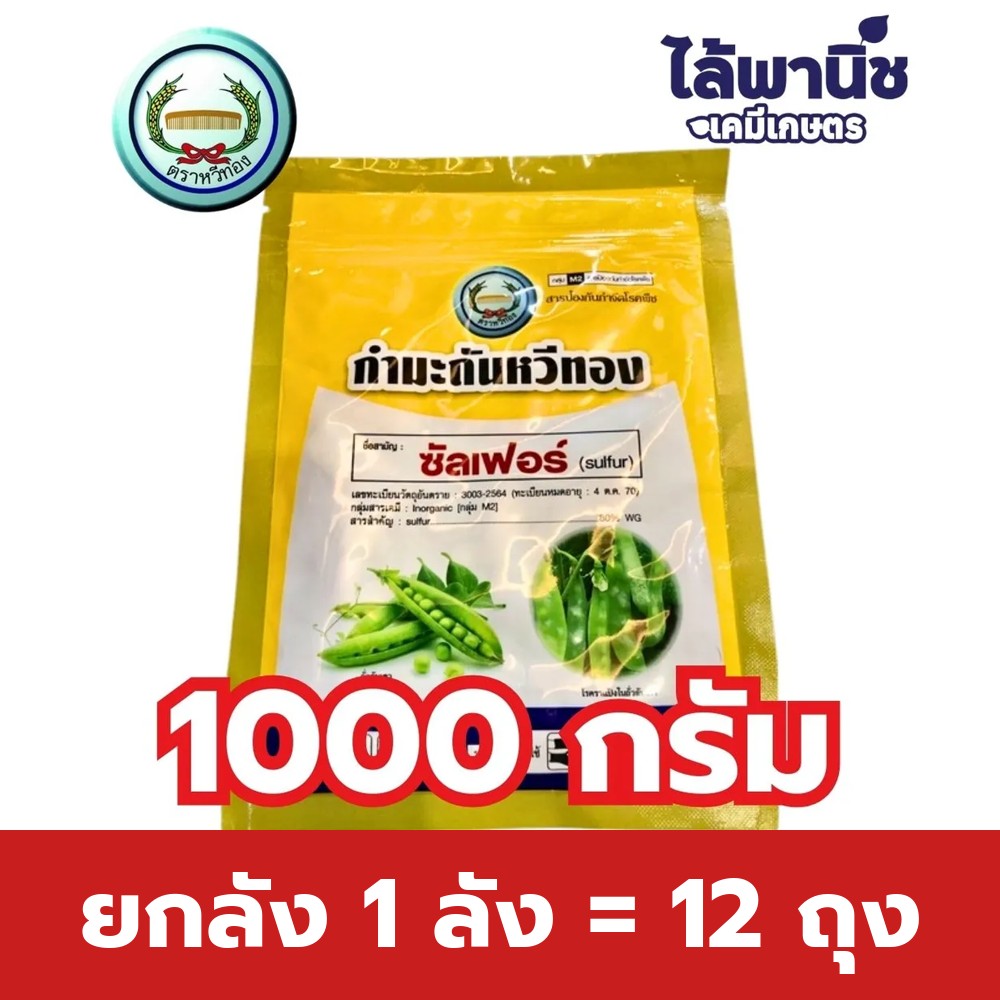
-
Brand
-
Formulation Type
-
Packaging
-130.00 ฿
/Bag
 Ask for case price / Is it in stock? → Chat LINE
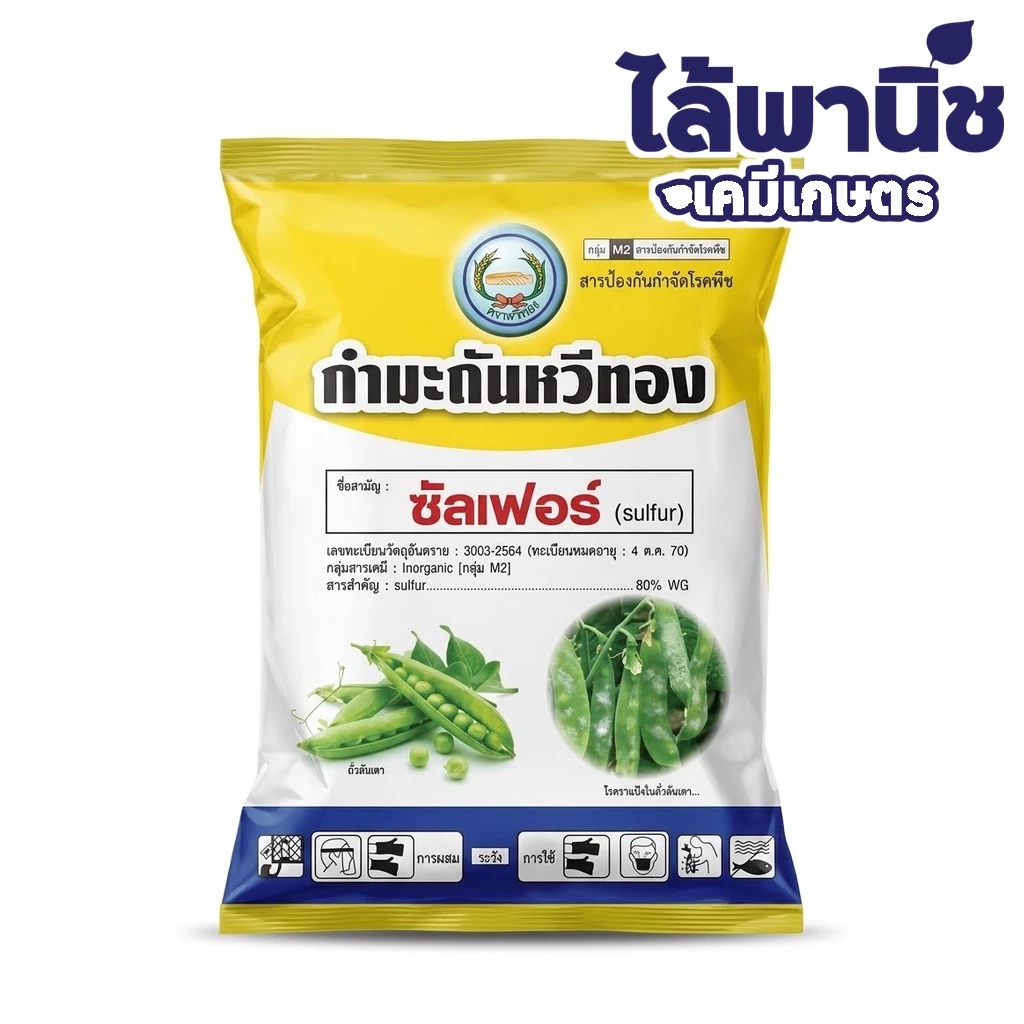
Sulfur — controls and eliminates mites and fungal diseases, and serves as an important secondary nutrient for plants
Resistance Management: Sulfur — FRAC Group M02 (Low resistance risk) · Should rotate with different groups in cycles, not using the same group repeatedly, to slow down resistance development · Alternate with different groups when re-spraying
Golden Comb Sulfur is a fine granular sulfur (80% WG) that acts by contact and vapor. The vapor helps inhibit the germination of fungal spores, effectively controlling and preventing diseases. It can also release hydrogen sulfide gas (H2S), which is toxic to mites. Additionally, sulfur is an essential secondary nutrient for plants, aiding in protein synthesis and chlorophyll production for complete growth.
Applicable Crops
Allium family plants such as shallots and cucurbit family plants such as cucumbers | Chinese chives / Coffee / Cyperus corymbosus | Peas, Yardlong beans | Rambutan | Orange | Lychee | Chili | Garlic | Flowering plants | Field crops | General fruit trees | Cucurbit vegetables
Prohibited Crops
No strictly prohibited crops | but avoid using on weak plants or plants particularly sensitive to acidity or high temperatures.
Diseases and Mites Controlled
- Mites: Red mites | White mites | Rust mites | Velvet mites | Mango red mites | Garlic mites | Chili white mites | Spider mites
- Fungal Diseases: Powdery mildew | Rust | Leaf spot | Scab
Mixing Rates and Usage
| Crop | Substance rate per 20 L of water (1 tank) | Water used per rai | Apply to |
|---|---|---|---|
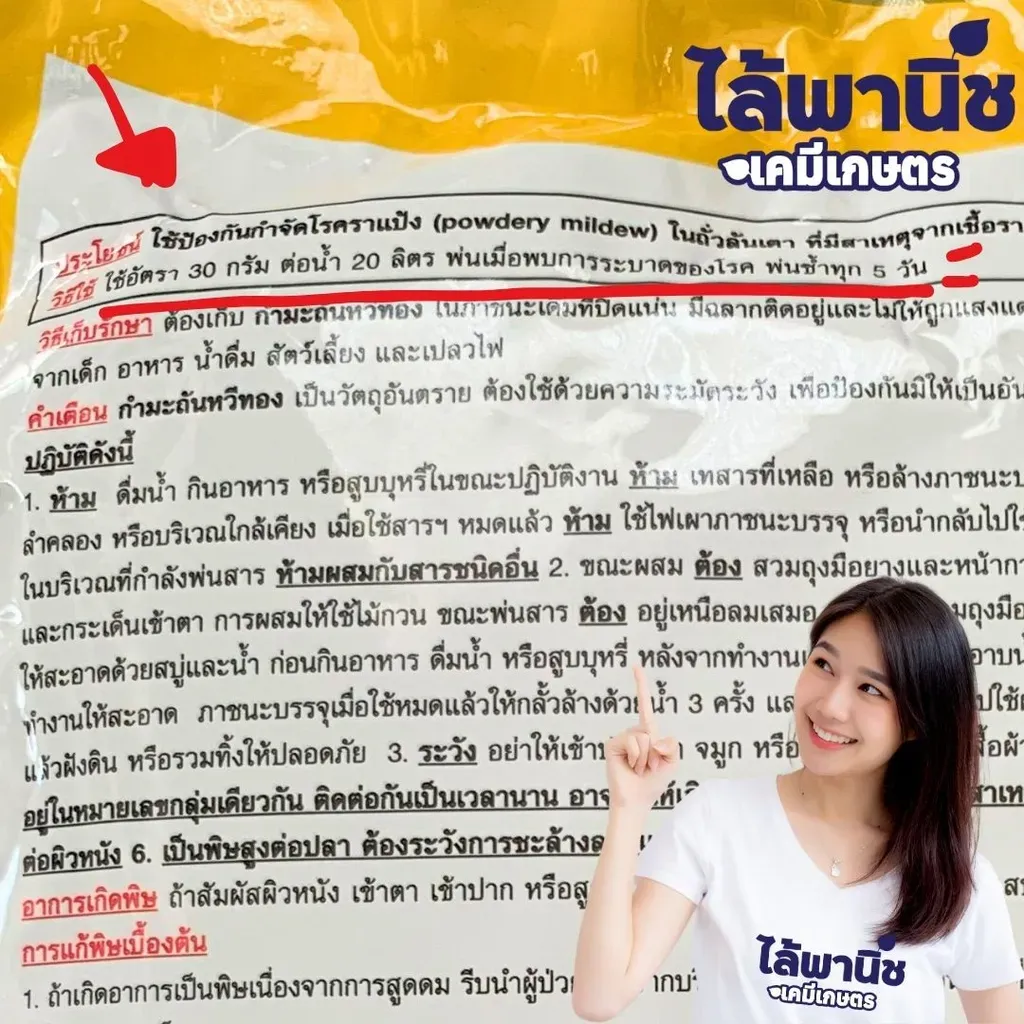
| Peas | 30 g | — | Powdery mildew caused by the fungus Oidium sp. |
| Allium family plants such as shallots and cucurbit family plants such as cucumbers | 30 g | — | Powdery mildew |
| Chinese chives / Coffee / Cyperus corymbosus | 30 g | — | |
| Pea, Yardlong bean | 30 g | — | |
| Rambutan | 20–40 g | — |
Spray when disease outbreak is observed. Re-spray every 5 days.
Read the rates correctly: The numbers in the table are the amount of substance per 1 tank (20 L) of water, not per rai — spraying 1 rai uses multiple tanks of water.
How much can 1 unit (1 kg) cover?
Peas at 30 g per 20 L of water (1 tank): 33 tanks
Calculated directly from the rates in the table above — does not account for repeat spraying and residual product in the tank. It is advisable to purchase extra.
Note: Re-spray every 7 days if the outbreak persists.
For Best Results
- Contact fungicide (protective) — coats leaf surface, does not penetrate the plant. Emphasize spraying "before" or when disease just begins. Spray thoroughly on both front and back of leaves. Can be washed off by rain, re-spray after rain. Difficult for pathogens to develop resistance.
- Best Use: Use for prevention or at the onset of disease and pest outbreaks — Crops listed on this bag's label are in the rate table above. For other crops, please inquire with the shop before use. · Common sulfur application methods: Spray to wash plants after pruning to reduce fungal spores, and spray 2-3 weeks before harvest for beautiful fruit skin and extended storage.
- Do Not: Do not spray during extremely hot weather, as it may cause leaf burn. And do not use in poorly ventilated greenhouses.
Precautions
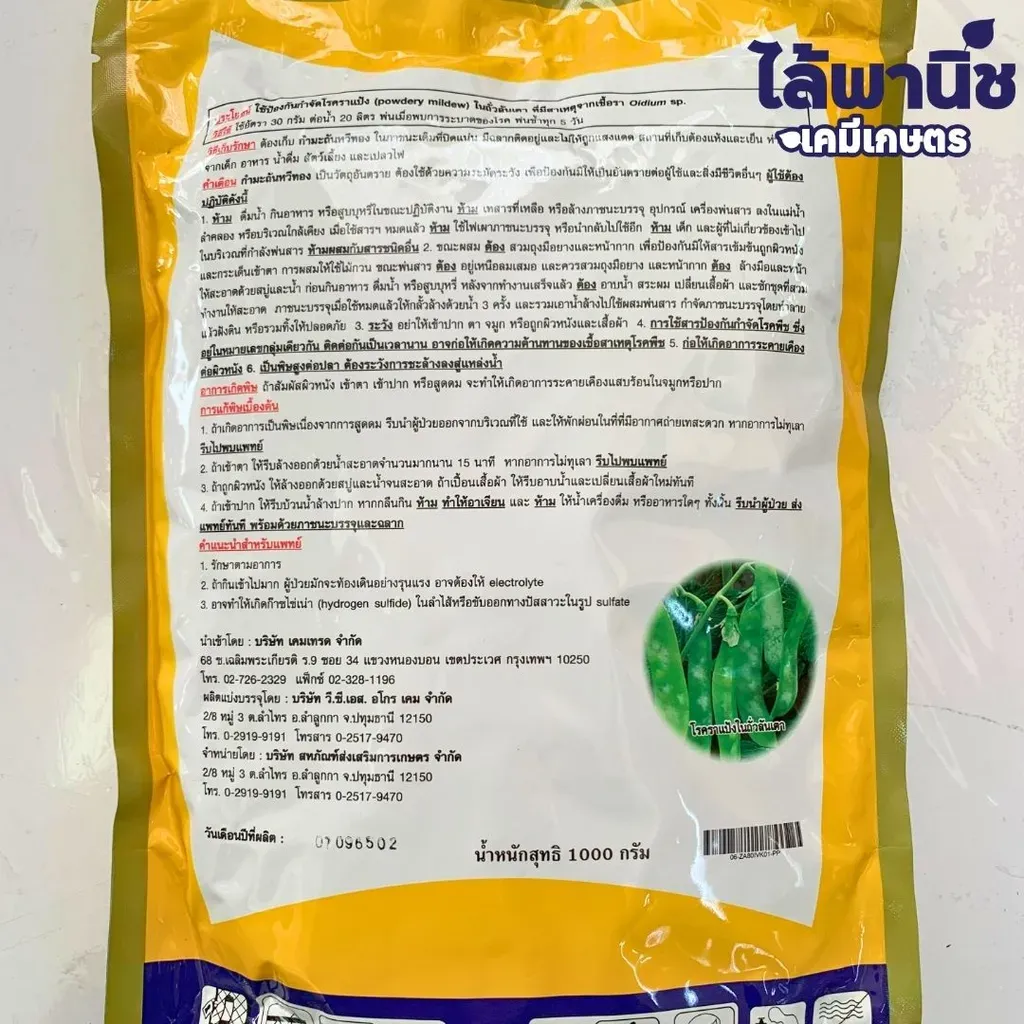
- Do not use with lime or alkaline substances.
- Avoid spraying during extremely hot weather or intense sunlight, as it may cause leaf burn.
- Do not use in poorly ventilated greenhouses. Should spray in well-ventilated areas.
- Always wear protective equipment such as gloves, masks, and goggles during operation. Store in a secure place, away from sunlight, children, pets, and all food items.
- Excessive or unnecessarily frequent use may increase soil acidity and may be toxic to plants, causing root damage or leaf burn.
- Sulfur can be used in organic farming but must be used carefully and in appropriate amounts to avoid plant toxicity.
Read the rates correctly by unit
The rates above are the amount of substance per 1 tank (20 L) of water, which is how it's written on the label. Actual spraying for 1 rai uses approximately 60–80 L (3–4 tanks) of water. Therefore, the amount per rai must be multiplied by the number of tanks used. — Always refer to the container label.